Navigating India: A Comprehensive Guide to Travel, Culture, and Sustainability
Travel to India encompasses a rich tapestry of cultural, historical, and natural experiences that attract millions of visitors annually. As the seventh-largest country in the world, India offers a remarkable diversity in geography, ranging from the majestic Himalayas to serene coastal beaches and bustling urban centers. Notable attractions such as the Taj Mahal, a UNESCO World Heritage Site, exemplify India's profound historical significance and architectural marvels, while the Ganges River serves as a spiritual lifeline for many who visit seeking solace and enlightenment.. India's travel landscape is characterized by its multifaceted transportation options, including an extensive railway network, domestic flights, and local buses, which allow travelers to navigate its vast expanse with relative ease.
However, the country's unique cultural norms and etiquette, along with significant environmental challenges associated with tourism, underscore the importance of responsible travel practices. Tourists are encouraged to be mindful of local customs, health regulations, and safety measures to ensure a respectful and enriching experience.. While India remains a favored destination for its vibrant heritage and scenic beauty, it is also a place marked by controversies related to overtourism, pollution, and the impacts of climate change on its natural landscapes. Addressing these challenges requires a collective commitment to sustainable tourism, where visitors can engage with local communities and support environmental conservation efforts. By embracing responsible travel practices, visitors can contribute positively to India's ecological and cultural sustainability while creating memorable journeys through this diverse nation.
Geography
India is a vast and diverse country, encompassing a wide range of geographical features, climates, and ecosystems. It spans over 3 million square kilometers, making it approximately one-third the size of the United States. The country's topography is varied, including the towering Himalayas in the north, arid deserts like the Thar in the west, and lush coastal regions in the south.
Northern India
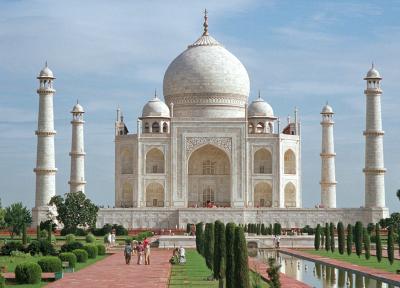
The northern region of India is particularly well-known for its iconic landmarks, such as the Taj Mahal, located in Agra. This area experiences a prolonged hot and dry spring and summer (March to June), followed by a wet monsoon season (July to September) and a cold winter (October to January). The diverse landscapes here include the scenic beauty of Himachal Pradesh and Uttarakhand, as well as the unique geography of Ladakh, known for its high-altitude plateaus and stunning monasteries.
Central and Southern India
Central India, including states like Madhya Pradesh, features national parks such as Kanha and Panna, which are popular for wildlife safaris aimed at spotting tigers and leopards. The southern region, particularly Kerala, offers a tropical climate characterized by abundant rainfall during monsoons and cooler, milder winters, making it an attractive destination for nature lovers and those seeking relaxation. This area is known for its picturesque backwaters and hill stations, enhancing its appeal for eco-tourism.
Northeast India
Northeast India presents a striking contrast to the rest of the country, characterized by its unique ecosystems and cultural diversity. This region includes the plains of Assam and the Himalayan highlands, providing opportunities for offbeat travel experiences throughout the year due to its temperate climate. Notable sites include the annual Hornbill Festival in Nagaland, showcasing the ethnic diversity of the area, and the stunning views of Khangchendzonga, the world's third-highest mountain, from Sikkim's trekking trails.
Urban Landscapes
India's urban landscapes are also noteworthy, offering a kaleidoscope of mobility options from congested public buses to the ubiquitous auto-rickshaws that weave through crowded streets. Each city showcases its own charm and challenges, influenced by the region's geographical and cultural characteristics. This diversity of transport methods and urban experiences adds to the vibrancy of travel in India.
Major Attractions
India is a land of diverse cultures and landscapes, offering a plethora of attractions for travelers. The country boasts historical monuments, spiritual sites, and natural wonders that reflect its rich heritage and contemporary vibrancy.
Historical and Cultural Sites
The Taj Mahal
The Taj Mahal, located in Agra, is one of India's most iconic structures and a UNESCO World Heritage Site. This stunning mausoleum, built by Mughal Emperor Shah Jahan in memory of his wife Mumtaz Mahal, is renowned for its exquisite marble architecture and intricate inlay work. It attracts millions of visitors each year and is often considered a symbol of love.
The Red Fort
Situated in Delhi, the Red Fort is another UNESCO World Heritage Site that showcases the grandeur of Mughal architecture. Built in the 17th century, the fort features massive walls and impressive gates, reflecting the historical significance of the Mughal era. It stands as a testament to India's rich history and is a must-visit for anyone exploring the capital.
Ajanta and Ellora Caves
The Ajanta Caves, dating back to the 2nd century BCE, are famous for their rock-cut Buddhist temples adorned with exquisite murals and sculptures. This UNESCO World Heritage Site reflects the evolution of Buddhist art and architecture through the centuries. Similarly, the Ellora Caves, constructed between the 5th and 10th centuries, comprise a remarkable collection of 34 caves representing Buddhist, Jain, and Hindu faiths, showcasing the religious tolerance of the time.
Spiritual and Natural Wonders
The Ganges River
Revered as the holiest river in Hinduism, the Ganges River attracts both pilgrims and tourists seeking spiritual experiences. The river is a focal point for numerous religious ceremonies, making it a key destination for visitors interested in India's spiritual practices.
National Parks
India's diverse ecosystems provide a wealth of wildlife experiences. Notable national parks include Jim Corbett National Park, the country's first wildlife sanctuary, which is home to tigers and a variety of other wildlife species. Other significant parks, such as Ranthambore and Sundarbans, offer opportunities for viewing the elusive Bengal tiger in their natural habitat, making them prime destinations for nature lovers.
Beaches and Hill Stations
Goa's stunning beaches and the serene hill stations in regions like Himachal Pradesh and Uttarakhand offer relaxation and adventure for travelers seeking a break from city life. These areas provide opportunities for eco-tourism and adventure activities, making them popular spots for both domestic and international tourists.
Architectural Marvels
India's architectural heritage extends beyond its forts and palaces. The Gateway of India in Mumbai, designed in Indo-Saracenic style, and the Victoria Memorial in Kolkata are notable examples of colonial-era architecture that reflect the blend of Indian and European influences.
Travel Logistics
India offers a diverse array of transportation options, making it accessible for travelers to navigate the country's vast landscapes and vibrant cities. Whether by train, bus, air, or even self-drive, each mode of transport provides unique experiences and conveniences.
By Train
Travelling by train is considered one of India’s quintessential experiences, with the national rail network covering almost the entire country, except for a few inaccessible mountainous regions like Sikkim and Ladakh. Various classes cater to different budgets and preferences, from the economical second-class sleeper to the more comfortable air-conditioned options. For instance, a/c 3-tier (AC3) and a/c 2-tier (AC2) sleeper classes offer varying levels of comfort and privacy, while a/c first-class (AC1) provides the most luxurious experience, complete with private compartments. Although trains may be prone to delays, they provide a fascinating glimpse into the country's diverse cultures and landscapes.
By Air
For travelers needing to cover large distances quickly, flying is an attractive option despite higher costs. Domestic flights can significantly reduce travel time; for instance, a flight from Delhi to Chennai takes approximately 2 hours and 30 minutes, compared to a 36-hour train journey. Booking flights is generally straightforward, with many airlines offering online reservations and offices in major cities. Children under twelve usually pay half fare, while infants may fly at a reduced rate.
By Bus
In addition to trains and planes, buses are a common form of transport, especially in rural and mountainous areas. Shared jeeps are particularly useful in rough terrains, operating on fixed routes and schedules. They offer a more personalized travel experience and are typically less crowded than buses. The pricing for shared rides varies but is usually about 50-100% more than standard bus fares. Renting a jeep is also an option for those seeking customized travel experiences.
By Boat
While not as commonly used as other forms of transport, boats can also serve as a means of travel in certain regions of India, providing a unique perspective of the country's waterways and coastal areas.
Self-Driving
Self-driving is an option for adventurous travelers, although it comes with considerable challenges due to India's notorious traffic conditions. Those who choose to drive should be prepared for unpredictable road conditions and the behavior of other drivers. It is highly recommended to leave the driving to experienced locals if unfamiliar with India's road rules and practices.
Travel Apps and Resources
With the advent of technology, numerous travel apps have emerged, facilitating seamless planning and navigation for international travelers. These apps provide essential services such as visa applications, local navigation, and cultural tips, making global exploration easier and more enjoyable. For a smoother experience, it is advisable to use platforms like Tripcorner to help navigate transportation options effectively.
Safety and Health
Traveling to India requires awareness of various safety and health considerations to ensure a safe and enjoyable experience.
Wildlife Safaris
Wildlife safaris are popular among tourists seeking close observation of flora and fauna. However, safety standards and training among tour operators can vary significantly. It is crucial to verify that operators are properly trained and licensed. Even animals marketed as “tame” should be treated with caution, as they remain wild and can be dangerous. Tourists should maintain a safe distance from animals at all times, remaining in vehicles or protected enclosures while in game parks or during safaris.
Swimming Precautions
If you plan to swim in open waters along the Indian coastline, exercise caution, especially during the monsoon season when strong undertows can lead to drowning incidents. Popular areas like Goa, Mumbai, and Puri have reported fatalities due to these conditions. It is advisable to heed posted warnings at beaches and avoid swimming during the monsoon. Additionally, incidents of crocodile attacks have been reported in the Andaman Islands, further underscoring the need for vigilance.
Vaccinations and Health Regulations
Travelers to India should be up-to-date on vaccinations recommended by health authorities, including those for diphtheria, tetanus, hepatitis A and B, polio, and typhoid. If arriving from regions with yellow fever risk, proof of vaccination is mandatory, or travelers may face deportation or detention in a quarantine facility. For those hiking in the Himalayas, Acute Mountain Sickness (AMS) poses a risk at elevations above 2,500 meters (8,202 feet), and precautions such as ascending slowly are essential.
Road Safety
India has one of the highest rates of traffic-related fatalities in the world. Travelers should exercise extreme caution when crossing streets, even at marked pedestrian crossings. It is wise to use vehicles equipped with seatbelts, as they are not common in all taxis and rideshares. Helmets are necessary for motorcyclists and bicyclists. Night travel is particularly hazardous, and roadblocks due to protests can cause significant delays and complications for travelers.
Emergency Numbers and Aviation Safety
Emergency numbers for major cities like New Delhi, Mumbai, and Chennai are vital for travelers. Additionally, the U.S. Federal Aviation Administration has assessed India's Civil Aviation Authority as compliant with international safety standards, but travelers should still exercise caution when booking private helicopter services, particularly in the northeast.
Health and Hygiene
Travelers are advised to be cautious with food and water to prevent illness. It is best to consume peeled or thoroughly washed fruits, and be wary of ice in drinks. Drinking hot beverages like chai is generally safe. Also, tourists should be aware of common scams and seek assistance from official tourist offices when making arrangements. By following these safety and health guidelines, visitors can mitigate risks and enjoy their travels throughout India.
Cultural Etiquette
India's rich tapestry of traditions and customs makes understanding cultural etiquette essential for any visitor. Being aware of local practices not only enhances your travel experience but also fosters respect and goodwill among the people you meet. Here are some key aspects of cultural etiquette to keep in mind while visiting India.
Dressing and Attire
Dressing modestly is crucial in India, especially in rural areas. Visitors are encouraged to cover their shoulders and wear clothes that extend below the knee to blend in more comfortably with the local populace.. While urban areas like Mumbai may have more relaxed dress codes, it remains essential to dress conservatively when visiting religious sites. In general, observing local dress norms and asking for guidance can help ensure appropriateness in your attire.
Religious Etiquettes
Respect for religious practices is deeply ingrained in Indian culture. When entering temples or places of worship, it is customary to remove shoes and maintain a respectful demeanor. It is also important to check if your clothing meets the local requirements for modesty before visiting these sacred spaces.. Greeting locals with "Namaste," a gesture involving a slight bow with joined palms, is a sign of respect, especially towards elders..
Table Etiquettes
Dining customs in India often emphasize communal sharing and the use of the right hand for eating, as the left hand is considered unclean.. Meals are typically served on a thali and enjoyed in a group setting, where leaving food on your plate can be viewed as impolite. When offered food, it is respectful to accept with gratitude..
Tipping Manners
Tipping practices can vary, but it is generally appreciated to leave a small gratuity for service providers such as waiters, taxi drivers, and hotel staff. The amount can depend on the quality of service received, but rounding up to the nearest whole number is often considered polite..
Giving and Receiving Gifts
Gift-giving in India is a thoughtful gesture that can strengthen social bonds. When presenting gifts, it is preferable to use your right hand or both hands, and gifts should ideally be wrapped beautifully. It is also common for the receiver to initially refuse the gift out of politeness before accepting it..
Photo Etiquettes
When taking photographs, especially of people or in religious sites, it is essential to ask for permission first. Some individuals and locations may have restrictions on photography, so being respectful and mindful of these boundaries is important..
Language and Communication
While English is widely spoken, especially in urban areas, learning a few basic phrases in local languages can enhance interactions with locals. Addressing people with honorifics shows respect, particularly towards elders and those in positions of authority.. By observing these cultural etiquettes, travelers can ensure a more enriching experience while fostering positive connections with the diverse people of India. Understanding and respecting these customs not only shows courtesy but also opens the door to deeper cultural exchanges during your visit..
Environmental Challenges and Sustainable Practices
Traveling to India presents a unique opportunity to engage with its rich cultural and natural heritage; however, it also brings significant environmental challenges. The impact of tourism on the environment can be profound, leading to issues such as pollution, resource depletion, and habitat destruction.
Environmental Challenges
Tourism in India contributes to a range of environmental problems. Air and noise pollution have increased due to the rising number of tourist activities, with transportation emissions leading to serious issues like acid rain and global warming. The tourism industry places additional strain on local resources, such as energy and water, particularly during peak seasons when the number of visitors can overwhelm local supply. Furthermore, popular tourist destinations often suffer from overtourism, which can degrade local infrastructure and erode the cultural and natural landscapes that attract visitors in the first place. Additionally, unchecked expansion in tourism can lead to significant environmental degradation. This includes pollution, deforestation, and the loss of biodiversity, particularly in ecologically sensitive areas. The construction of tourism facilities can disrupt local ecosystems, and the increased foot traffic from tourists can harm wildlife and natural habitats.
Sustainable Practices
In light of these challenges, sustainable tourism practices are essential for protecting India's environment while promoting responsible travel. Eco-conscious travelers are encouraged to engage in practices that reduce plastic waste, such as using reusable water bottles and cloth bags. Choosing low-impact transportation methods, like trains or shared vehicles, can significantly lower carbon footprints and contribute to cleaner air. Visitors can also support local communities by opting for eco-friendly accommodations, such as eco-lodges and homestays that prioritize sustainability and energy efficiency. Participating in sustainable activities-such as nature walks and wildlife safaris-can raise awareness and foster appreciation for the natural environment. Moreover, educating oneself and others about environmental conservation efforts enhances collective understanding of sustainable tourism's importance. Encouraging fellow travelers to adopt eco-friendly habits and support initiatives that promote environmental protection can have a lasting impact.
Community Engagement and Cultural Respect
A vital aspect of sustainable tourism is community participation, which ensures that local populations benefit from tourism activities and that their cultural heritage is preserved. Travelers are encouraged to respect local customs and traditions, dress appropriately, and engage with local artisans and businesses, thereby contributing to the local economy. Ultimately, addressing the environmental challenges posed by tourism in India requires a collaborative effort between travelers, local communities, and stakeholders in the tourism industry to foster sustainable practices that protect the environment while enriching the travel experience.
Conclusion:
India offers travelers an extraordinary journey through diverse landscapes, rich cultural experiences, and complex environmental challenges. From the majestic Taj Mahal to the vibrant streets of Mumbai, the country presents a tapestry of experiences that demand respect, awareness, and responsible engagement. Successful travel in India requires more than just visiting attractions; it involves understanding local customs, prioritizing personal safety, and contributing to sustainable tourism practices.
By embracing cultural etiquette, supporting local communities, and minimizing environmental impact, travelers can transform their trips from mere tourism to meaningful cultural exchanges. The key lies in approaching India with an open mind, cultural sensitivity, and a commitment to preserving the incredible natural and cultural heritage that makes this nation truly unique. As global citizens, our travel choices can either contribute to environmental degradation or support sustainable development-in India, every conscious decision matters.